Kitsuki puts its samurai on two hills and its merchants in the valley between. It is the only sandwich-form castle town in Japan: warriors above, townspeople below, slopes joining the two into a three-dimensional Edo town plan that exists nowhere else in the country. The stone-paved Suya no Saka and Shioya no Saka face each other across that valley, and to walk between them is to step into a working Edo landscape.
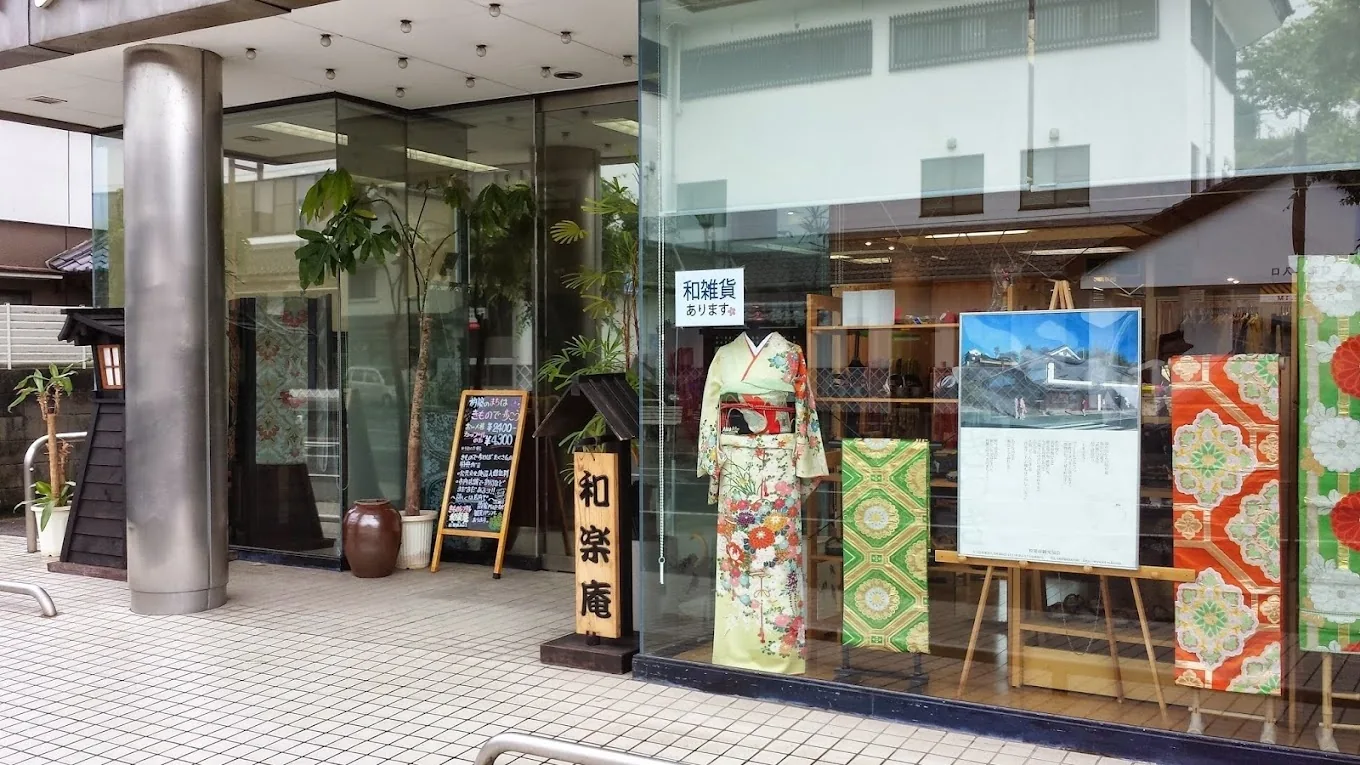
The kimono walk here is more than a photographic prop. At Warakuan guests choose from about 350 kimono, change, and climb the slopes. Wearing one opens several of the town's public facilities free of charge, so the crossing into another time holds for the whole walk. In the samurai quarter on the northern hill, the Nomi Residence and Dai no Chaya add a first lesson in matcha, taken sitting inside a real warrior's house, where guests feel how an Edo samurai lived and received his own guests.
Kitsuki is neither loud nor crowded, and that is precisely where its scarcity sits. Guests in kimono climb the slopes and whisk a bowl of tea in a warrior's house, and sightseeing turns into a quiet Edo amble; from choosing the garment to the dressing to the climb up Suya no Saka, every step composes itself. For culturally minded business-events groups, that quiet, with no crowds and only the town, is an ease Kyoto's famous sites cannot give, and the photographs and the memory both last longer for it.