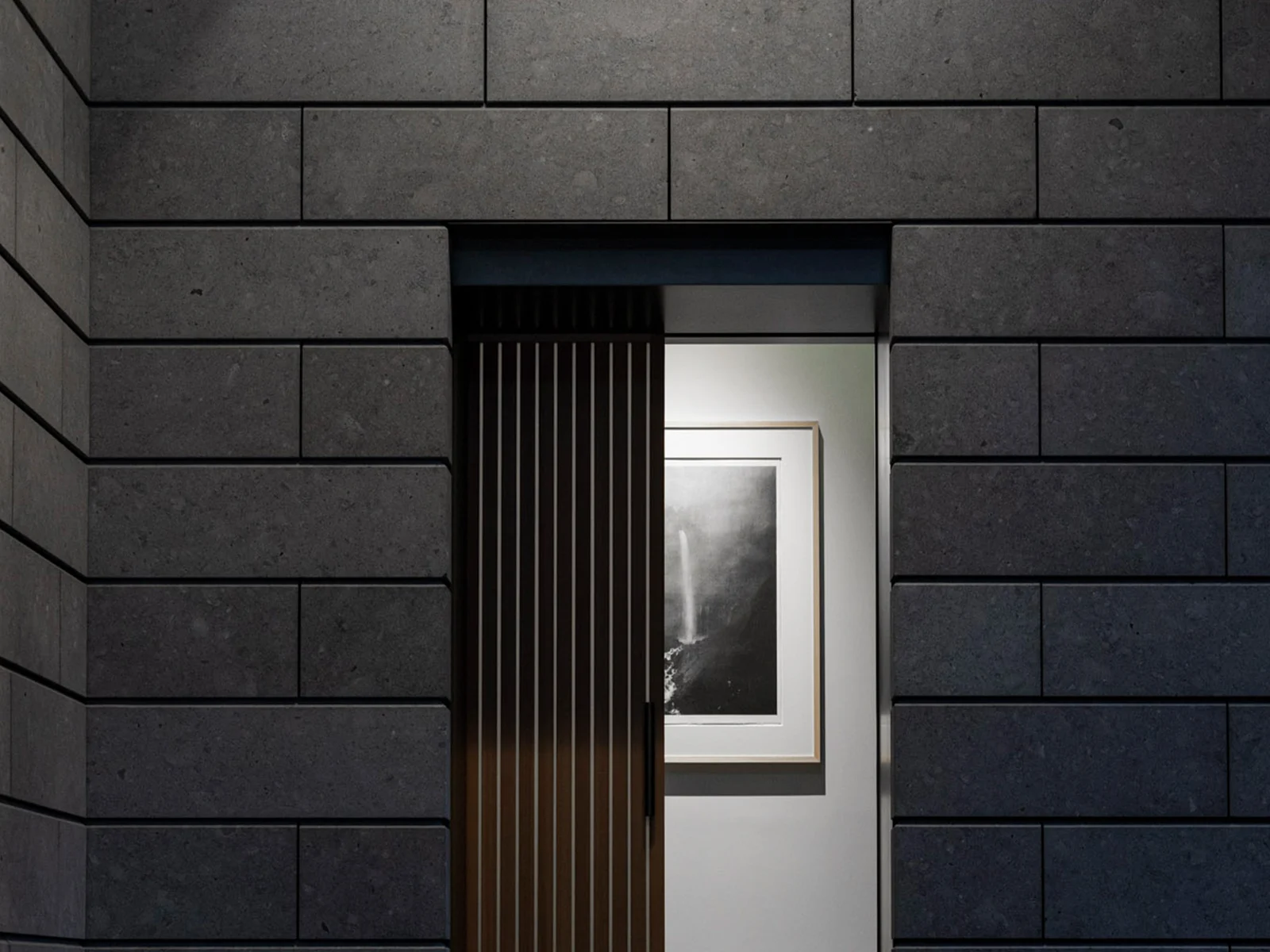
Kanda has no sign on the street and no public line on which to book. Down an unremarkable lane in Moto-Azabu, among the thousands of high-end Japanese restaurants in Tokyo, it comes close to silence. Kanda joined the city's original three-star company when MICHELIN launched its Tokyo guide in November 2007, as the 2008 edition, and it has never once fallen off the list. What it serves is the purest specimen of seasonal kaiseki, a formal multi-course menu built on the calendar: no device, no performance, only an almost severe honesty about what is in season.
Chef Hiroyuki Kanda does not chase molecular technique or world trends. He spends everything on one apparently simple task, bringing each ingredient to the table on the single best day of its year and in the least theatrical form possible. That mastery of subtraction is the part of the kaiseki aesthetic outsiders find hardest to copy: what a guest eats is not the cook's virtuosity but the season itself. For a serious eater, Kanda is not a dinner but a private tutorial in shun and in ma, the charged interval, and it resets what Japanese cooking is understood to taste like.
Putting Kanda into an itinerary means holding one of the hardest seats in Tokyo. It will not carry a loud business dinner; it belongs to guests who will sit quietly and give a whole evening to one master. Nobody here is collecting three stars. This is a conversation about honesty and the calendar, and it is reached only by introduction.